by adminmlt | Nov 8, 2026 | Articles
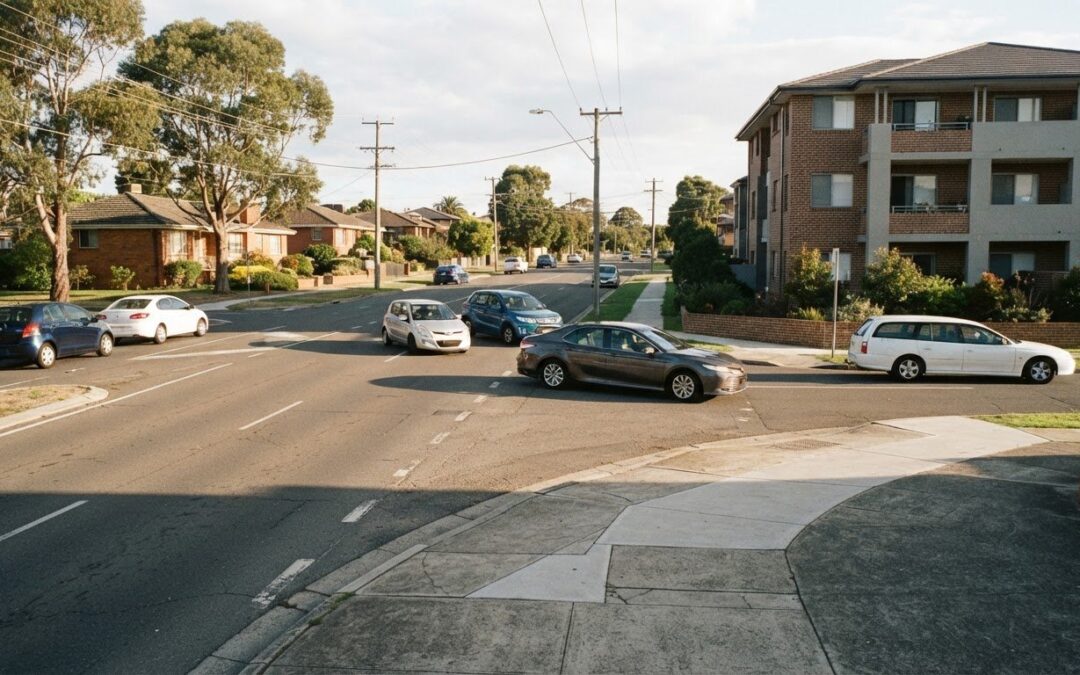
A development’s traffic effects can extend beyond its driveway to nearby intersections and road access. An intersection traffic impact assessment examines the trips a proposal is expected to generate, how those trips may affect the surrounding network, and whether...
by adminmlt | Nov 7, 2026 | Articles
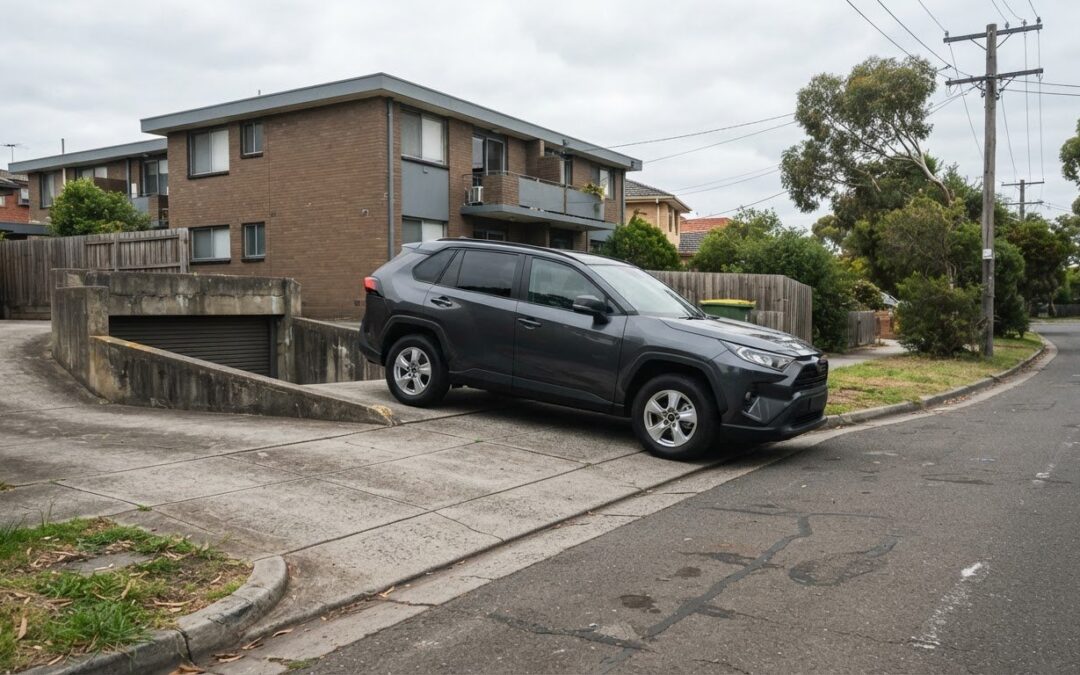
A driveway can meet the steepest grade limit and still fail a vehicle-clearance check. Under AS/NZS 2890.1:2004, the general maximum driveway ramp grade is 1:4, equivalent to 25%, subject to local council requirements. A driveway ramp grade assessment must also...
by adminmlt | Nov 6, 2026 | Articles
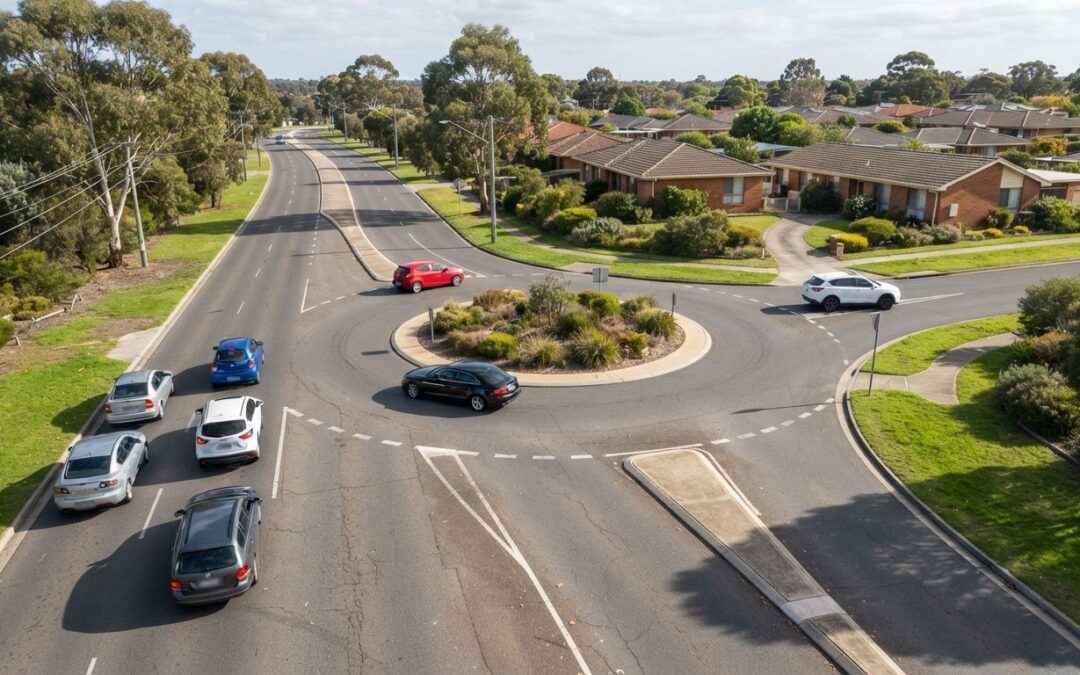
A traffic model is only as useful as the assumptions behind it. It represents how a road network may operate under defined conditions, based on choices about model scale, traffic demand, turning movements and road-user behaviour. The traffic modelling assumptions...
by adminmlt | Nov 5, 2026 | Articles
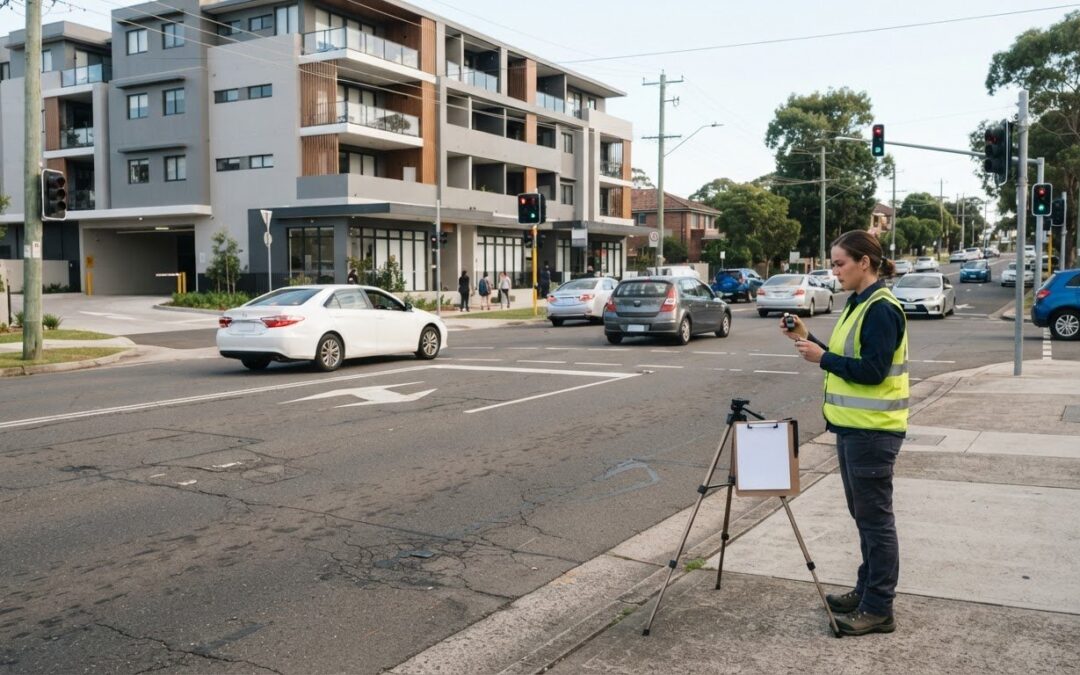
A development can add vehicle trips without necessarily worsening how nearby roads and intersections operate. In Australia, whether a Traffic Impact Analysis (TIA) is required depends on the relevant authority and location; a commonly used trigger is 100 or more new...
by adminmlt | Nov 4, 2026 | Articles
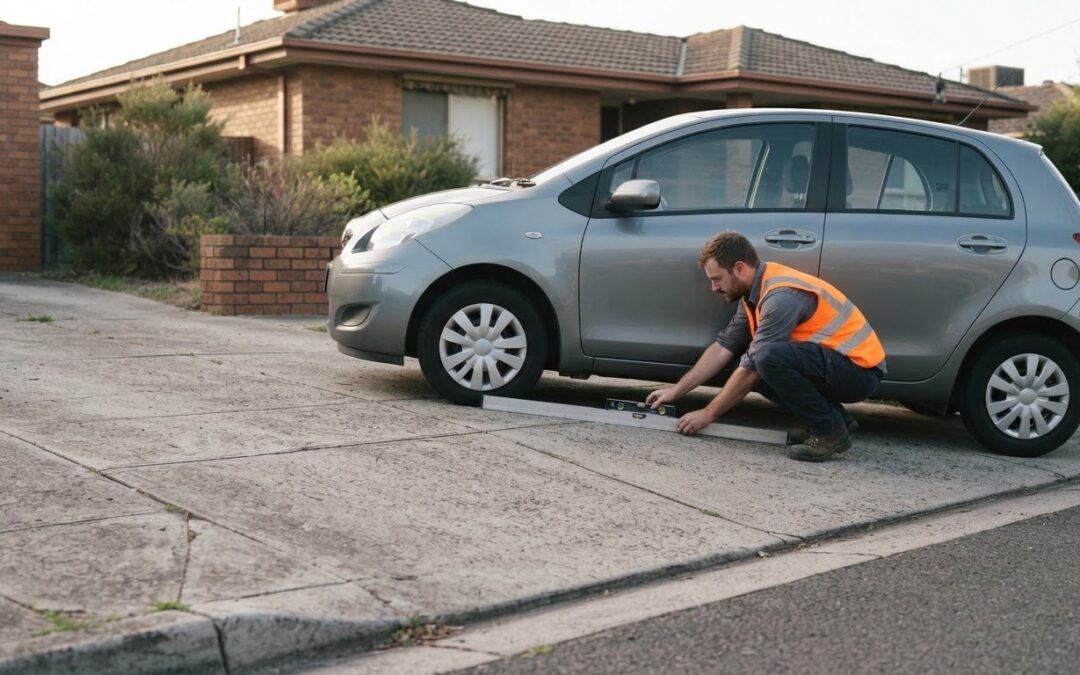
A driveway can meet a gradient limit and still scrape if its transitions are too abrupt. A driveway ramp grade assessment considers the slope as well as the changes at the crest and sag: AS/NZS 2890.1:2004 generally allows a maximum driveway grade of 1:4 (25%) for...