
by adminmlt | Oct 9, 2026 | Articles
What if a resident complaint could reveal a traffic issue before it becomes a recurring problem? Reports about truck movements, parking, queues, noise or blocked access can point to impacts that need a practical response. Mitigating resident complaints about...
by adminmlt | Oct 8, 2026 | Articles
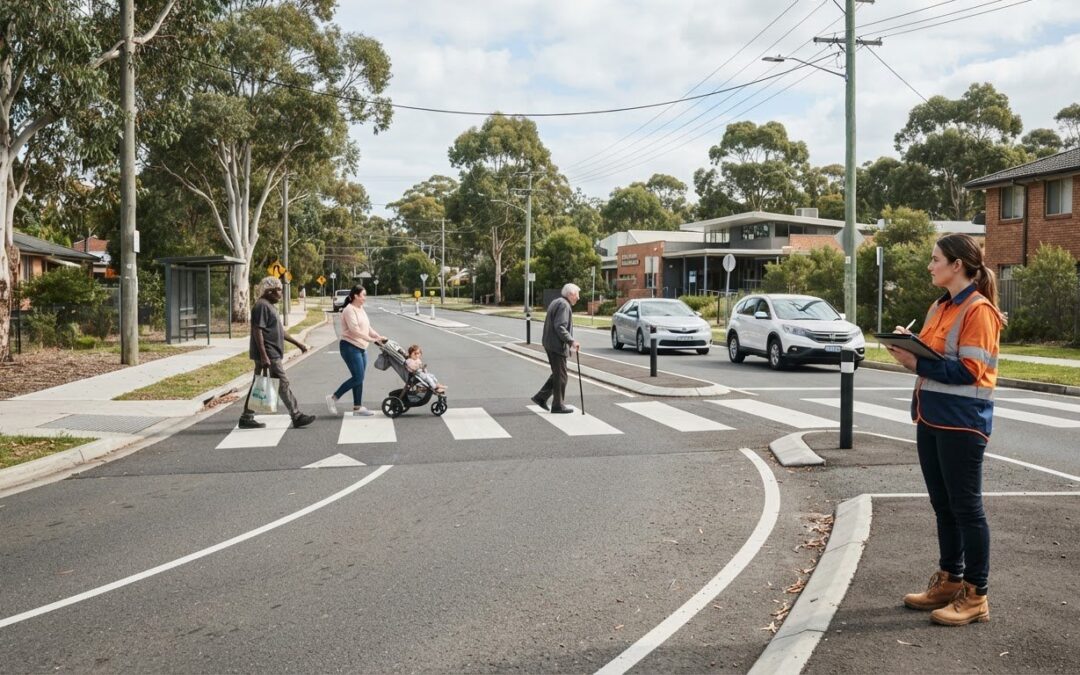
Could a busy footpath still fail to justify a zebra crossing, or could a lower pedestrian count support one? A pedestrian crossing (zebra) warrant analysis isn’t a headcount shortcut. Pedestrian and vehicle volumes matter, but so do traffic speeds, sight distance, who...

by adminmlt | Oct 8, 2026 | Articles
A traffic objection is most useful when it’s treated as a question to test, not a claim to dismiss. A traffic assessment to address DA objections can clarify whether concerns about congestion, parking, access or vehicle movements are supported by project-specific...

by adminmlt | Oct 7, 2026 | Articles
What if the main traffic issue in a mixed-use project isn’t simply the number of extra cars, but how residents, customers, delivery drivers and pedestrians move around one another? A traffic impact assessment for mixed use development needs to examine the site as a...
by adminmlt | Oct 6, 2026 | Articles
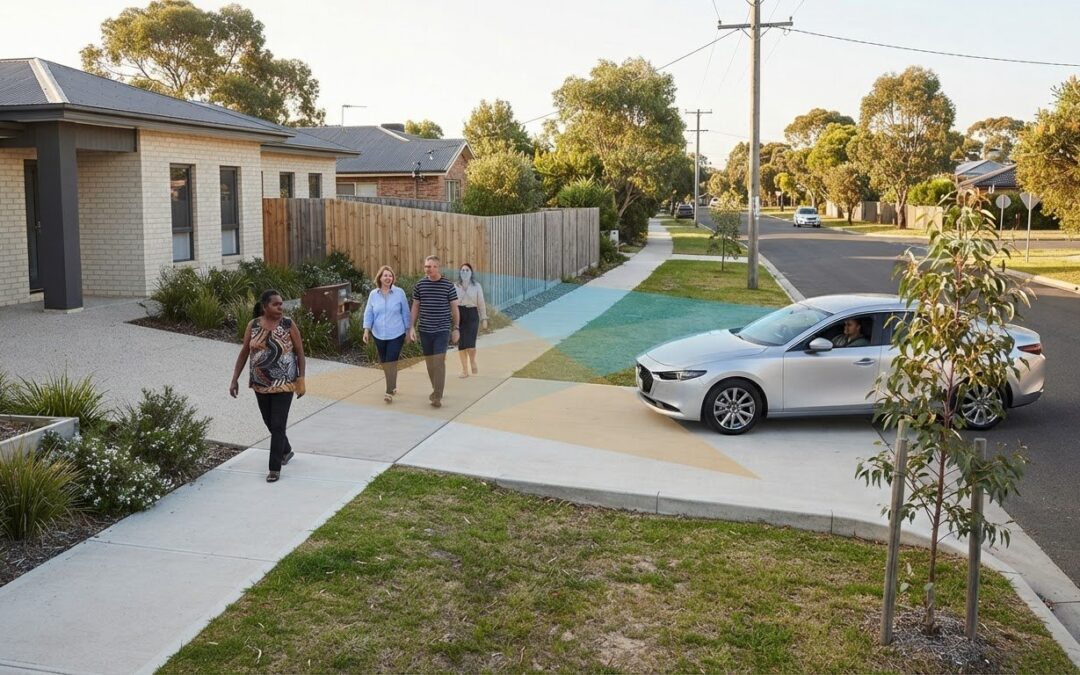
What needs to be assessed to show pedestrians and drivers can see each other near a proposed driveway or access? A pedestrian sight distance assessment tests the sight lines created by the development, rather than relying on whether an access looks clear on a plan.An...

by adminmlt | Oct 5, 2026 | Articles
A traffic project can be technically sound and still stall when authority feedback arrives at different stages, relies on different assumptions or points in conflicting directions. Coordinating with multiple authorities on traffic issues works best when...