by adminmlt | Nov 17, 2026 | Articles
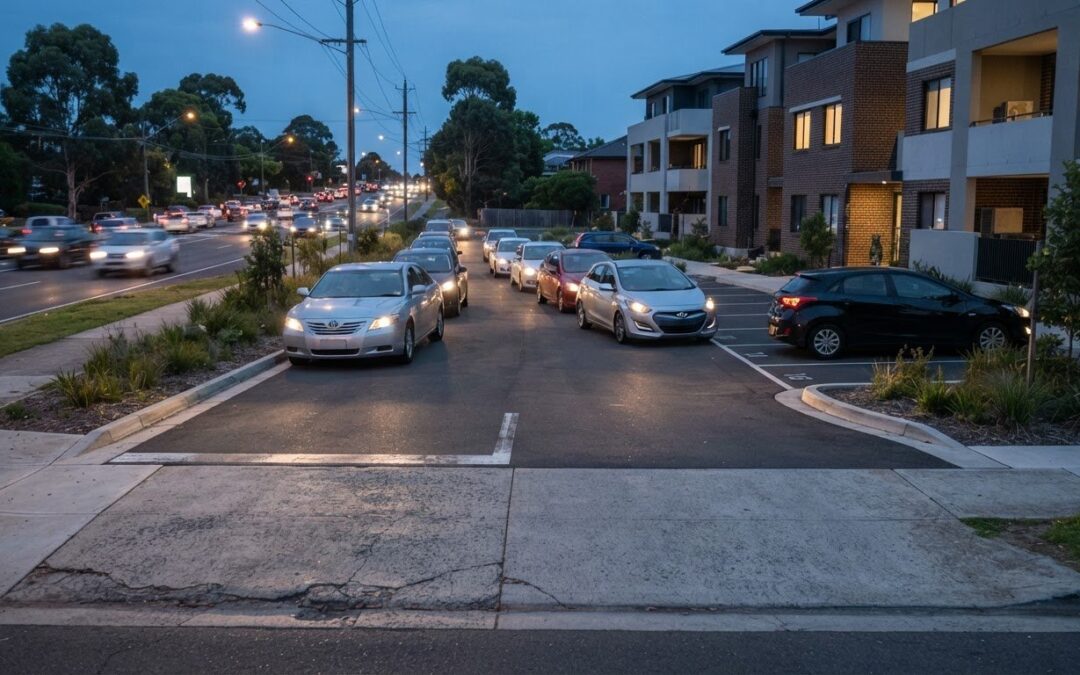
A queue can extend beyond a development access when vehicles arrive faster than they can enter or leave. Queue length analysis for development access estimates how that queue forms and changes by examining traffic demand, discharge capacity and changing conditions....
by adminmlt | Nov 16, 2026 | Articles
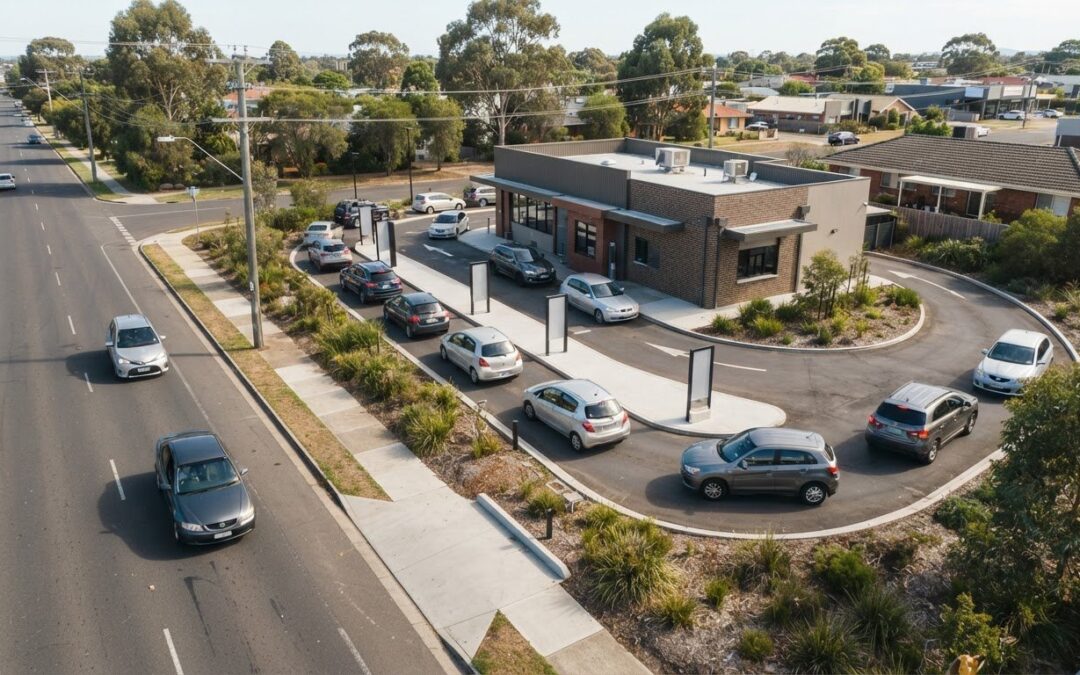
A second ordering lane doesn’t automatically prevent a queue from spilling back onto the road. Queuing analysis for multi-lane drive-throughs assesses how vehicle storage, arrival rates and service rates interact, then compares the resulting queue with the space...
by adminmlt | Nov 15, 2026 | Articles
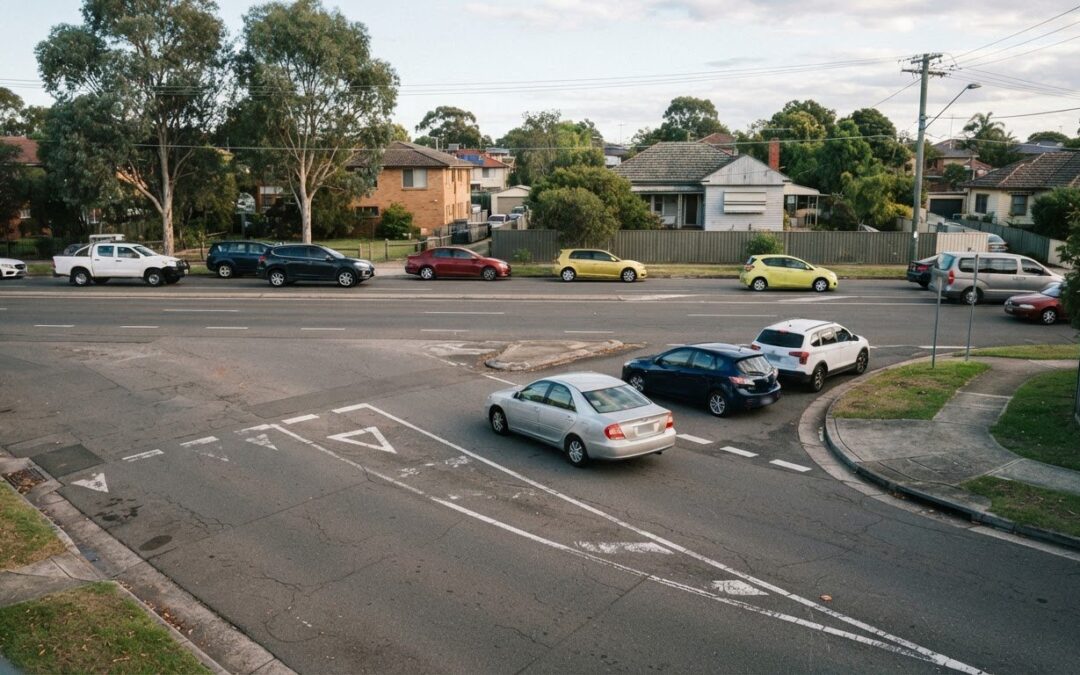
A queue is not the whole story at an unsignalised intersection. Understanding level of service (LoS) for intersections means reading the grade alongside delay, traffic priority and how demand relates to capacity. In one set of unsignalised-intersection thresholds,...

by adminmlt | Nov 14, 2026 | Articles
A single peak hour is a standard period for traffic analysis, but it is not always sufficient. Analytical models can assess congestion within one peak flow period, while microsimulation, which tracks individual vehicles, needs multiple flow periods. A sound peak hour...
by adminmlt | Nov 13, 2026 | Articles
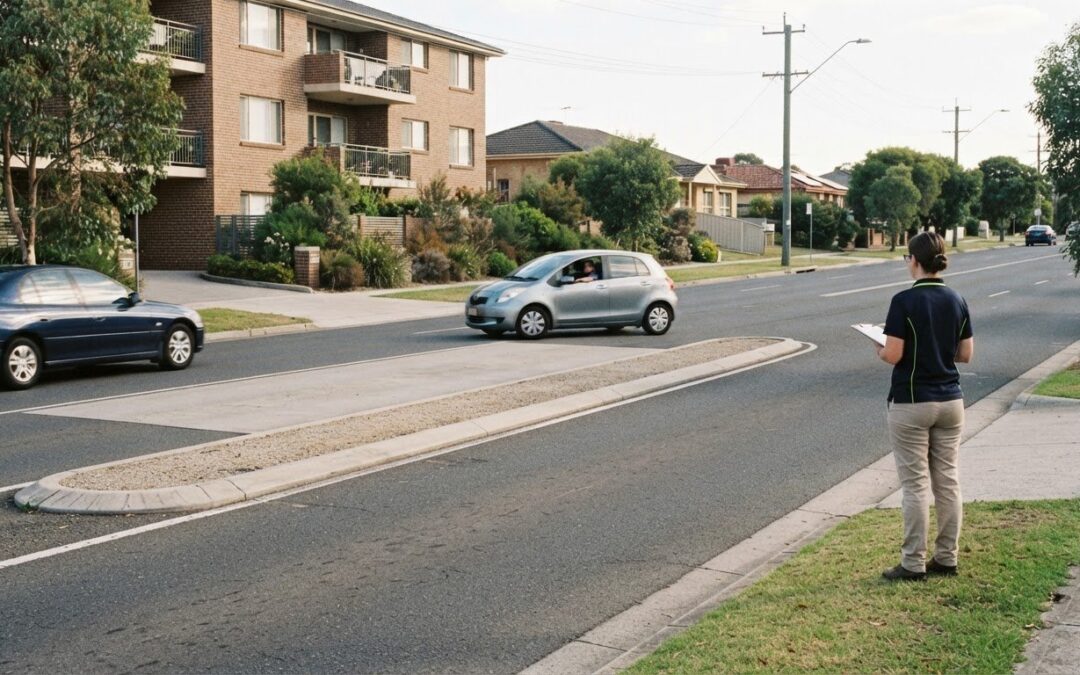
A traffic report can become outdated when the road network, site access, development scale or vehicle movements change enough to undermine its original assumptions. Knowing when to update an old traffic report for a DA means checking whether it still reflects the...

by adminmlt | Nov 12, 2026 | Articles
A solar farm traffic impact assessment must cover more than construction haulage. It should assess site access, traffic data, road conditions, construction and operational traffic, and mitigation measures for effects on the road network. Operational movements matter...