by adminmlt | Nov 18, 2026 | Articles
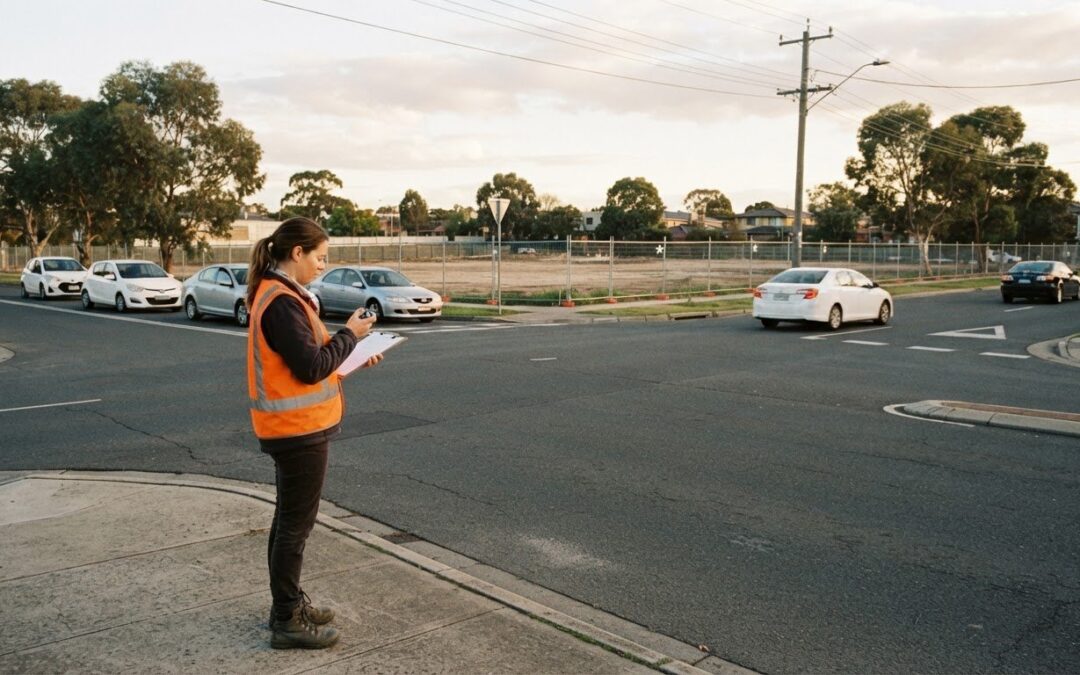
A signal warrant and approval to install a signal are not the same decision. For Australian developments, traffic signal warrant analysis for developers brings projected trips, hourly counts, warrant tests and intersection conditions into one assessment. An...
by adminmlt | Nov 17, 2026 | Articles
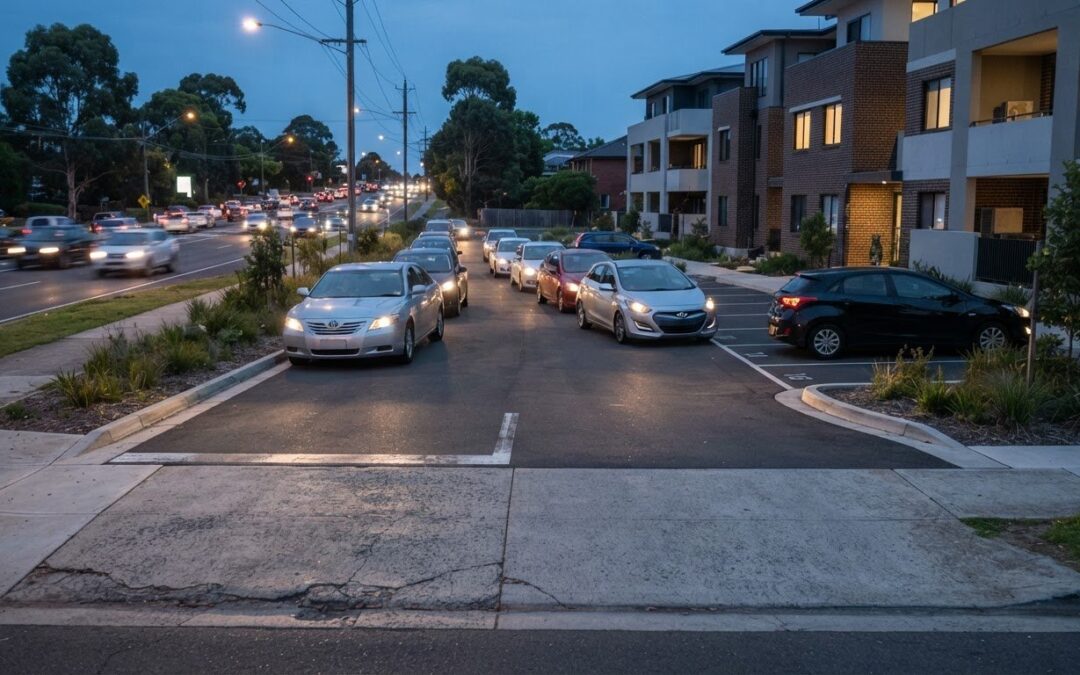
A queue can extend beyond a development access when vehicles arrive faster than they can enter or leave. Queue length analysis for development access estimates how that queue forms and changes by examining traffic demand, discharge capacity and changing conditions....
by adminmlt | Nov 16, 2026 | Articles
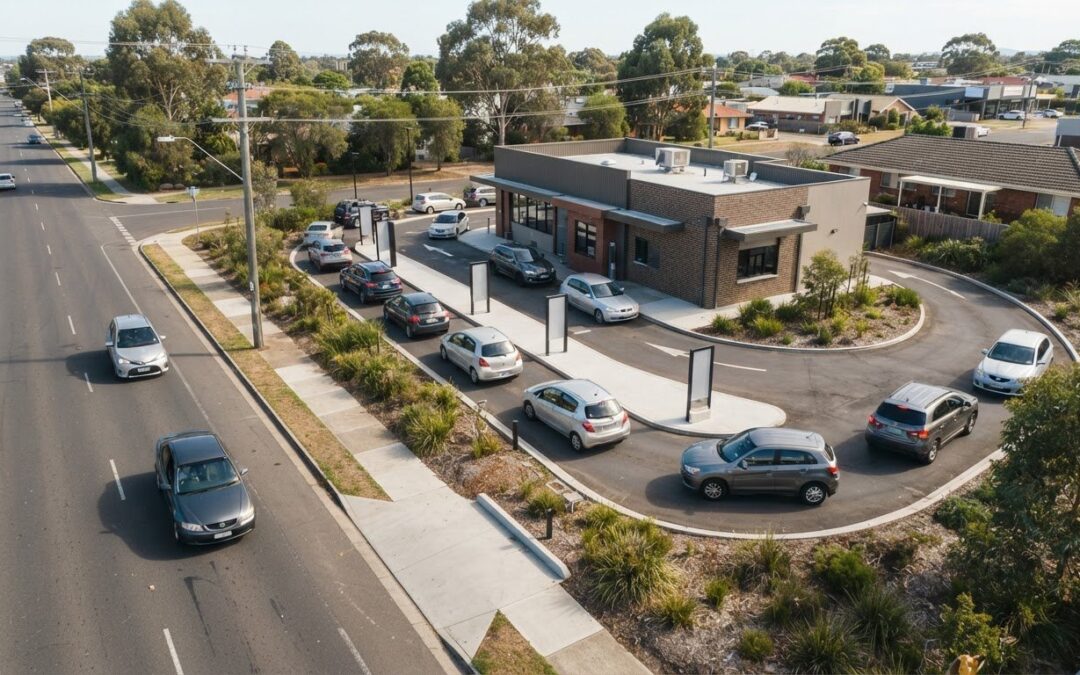
A second ordering lane doesn’t automatically prevent a queue from spilling back onto the road. Queuing analysis for multi-lane drive-throughs assesses how vehicle storage, arrival rates and service rates interact, then compares the resulting queue with the space...
by adminmlt | Nov 15, 2026 | Articles
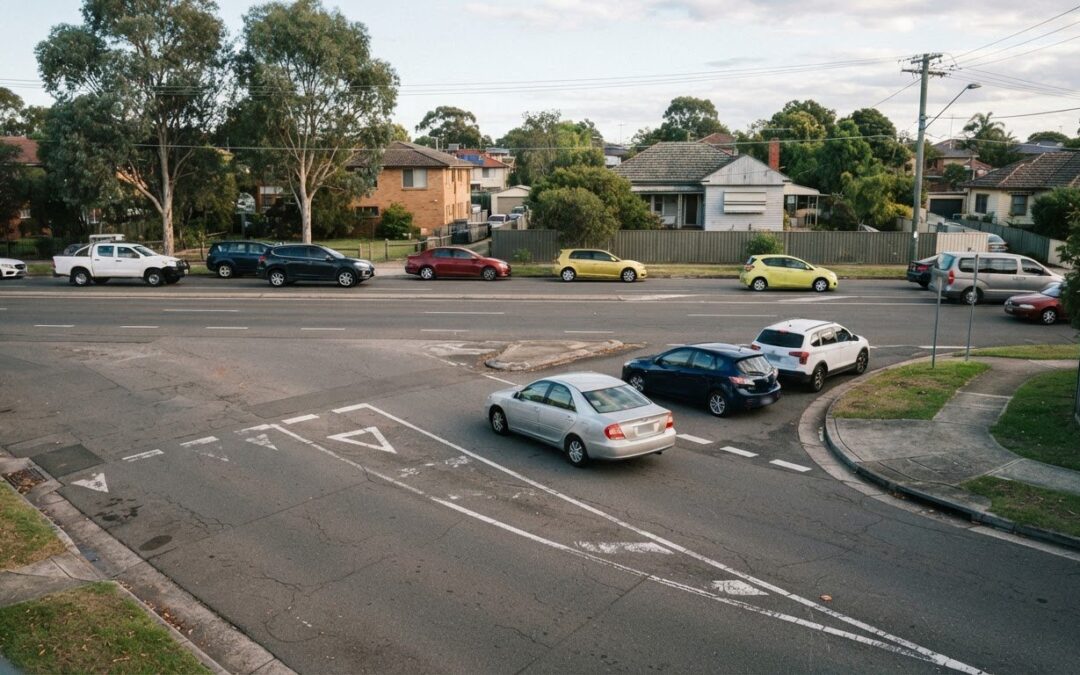
A queue is not the whole story at an unsignalised intersection. Understanding level of service (LoS) for intersections means reading the grade alongside delay, traffic priority and how demand relates to capacity. In one set of unsignalised-intersection thresholds,...
by adminmlt | Nov 14, 2026 | Articles
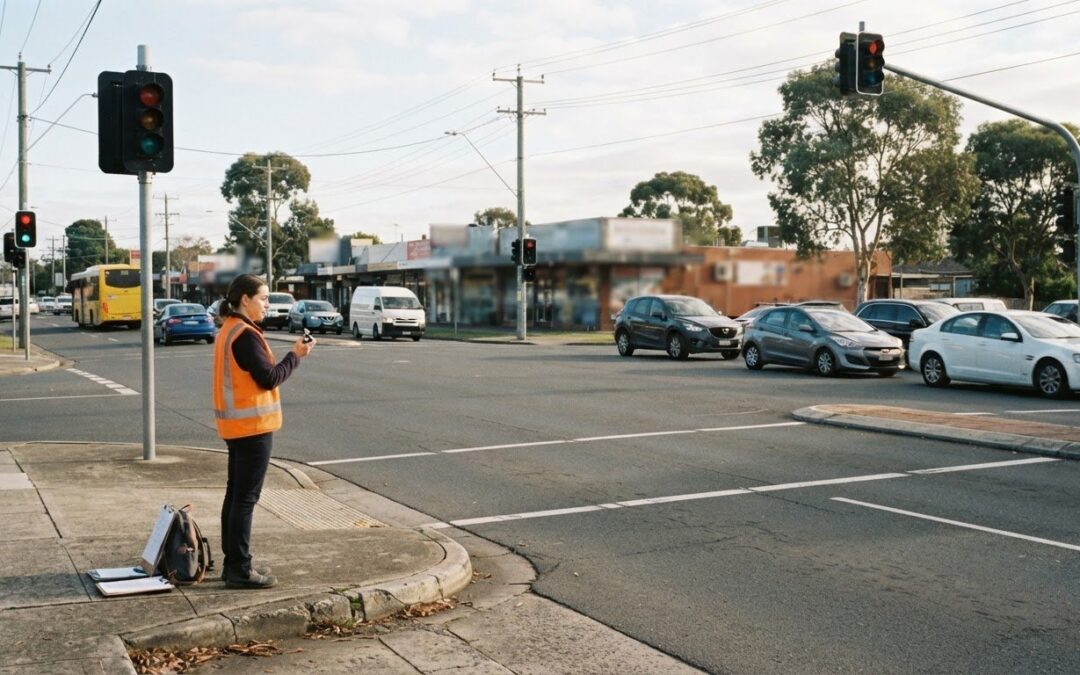
A single peak hour is a standard period for traffic analysis, but it is not always sufficient. Analytical models can assess congestion within one peak flow period, while microsimulation, which tracks individual vehicles, needs multiple flow periods. A sound peak hour...